
The Rise of Home-Office Listings
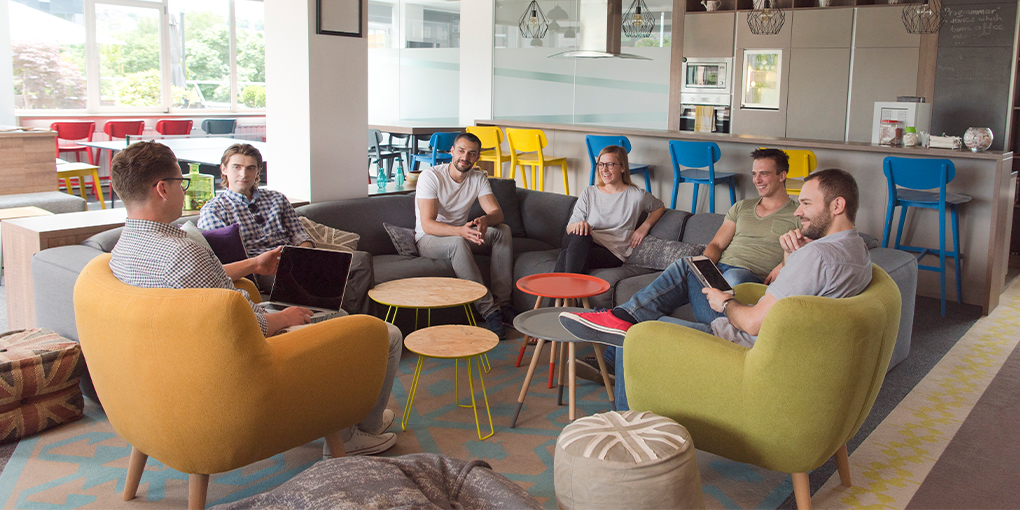
Working life has been undergoing perhaps the biggest transformation in its history in recent years. Office towers that were once indispensable to business life, long working hours, and daily office routines are giving way to remote work, hybrid models, and a location-independent approach to work.
This change is not only reshaping the business world; it is also fundamentally affecting how people view their living spaces. Homes are no longer just places to rest and spend time; they are becoming multifunctional spaces where productivity, creativity, and professional life continue.
This new order is also bringing a significant transformation to the real estate sector. While the home-office lifestyle and co-working spaces are among the most sought-after features of next-generation housing projects, the expectations of buyers and tenants are being reshaped day by day.
The New Living Space Inside the Home: Home-Office
Where living room size, the view, or kitchen design once stood out in housing preferences, today, for many people, a workspace has moved ahead of these.
Especially for remote-working professionals, entrepreneurs, consultants, and digital sector employees, having a space at home where they can work efficiently is now seen as one of the basic needs.
For this reason, in modern housing projects;
- Separate study rooms,
- Multi-purpose areas,
- Quiet work corners,
- Office sections with natural light
are gaining increasing importance.
This change is also clearly visible in real estate listings. It is no longer only phrases like "spacious 3+1 apartment" that stand out, but details such as "suitable for home-office use", "with a separate workspace", or "a layout designed for remote work".
Co-Working Spaces Are Becoming the New Social Amenity in Residential Complexes
Remote work offers freedom, but it also comes with certain challenges. Distractions at home, lack of socialization, and being away from a professional working atmosphere can be a significant problem for many employees.
Real estate developers are producing innovative solutions to meet this need.
Today, in many next-generation residences and housing projects, professional shared workspaces are included alongside gyms, swimming pools, and social facilities.
These areas are equipped with features such as;
- High-speed internet infrastructure,
- Meeting rooms,
- Quiet work sections,
- Phone call booths,
- Shared production and networking areas
.
In this way, residents can reach a professional working environment within minutes, without getting into city traffic.
The Perception of Location Is Being Reshaped
For many years, the most important value of a home was its proximity to business centers. To reduce daily commute times, people preferred smaller-square-meter and higher-cost homes in city centers.
However, with the spread of remote work culture, this approach has started to change. Today’s buyers are now asking this question:
Instead of "Is it close to work?" "Is it close to where I want to live?"
This shift is increasing interest in larger-square-meter homes, houses with gardens, and low-density living areas located outside city centers.
Homes in quieter, more spacious areas that offer a life intertwined with nature are becoming more valuable with each passing day, especially for remote-working professionals.
Technical Infrastructure Is One of the Most Important Criteria of the New Era
With the spread of the home-office lifestyle, the technical infrastructure in homes is also directly influencing purchasing decisions.
For many buyers and tenants, a strong internet connection has now become a criterion as important as the view.
In particular, the following features stand out:
- Fiber internet infrastructure
- Uninterrupted power support
- Generator systems
- Strong mobile network coverage
- Sound and thermal insulation
- Smart home technologies
Homes with these features are rented faster and also stand out from competitors in sales processes.
Flexibility Takes Center Stage in Next-Generation Housing Designs
Housing projects of the future are now designed not only as living spaces, but also as spaces for working and producing.
Architects and developers focus on flexible spaces that offer multi-purpose use in order to adapt to changing lifestyle habits.
Foldable work areas, convertible rooms, shared work centers, and technology-supported living spaces are becoming indispensable parts of new projects.
This approach not only improves the user experience, but also increases the long-term value of the property.
The Real Estate of the Future: The Perfect Balance of Living and Working
Remote work and co-working culture are no longer a temporary trend; they are a permanent part of modern life. Today, people choose their homes not only based on where they will live, but also on where they can work more efficiently. For this reason, projects that combine workspaces with living spaces are shaping the future of the real estate sector.
Home-office-friendly layouts, professional shared workspaces, and strong technological infrastructure are among the most valuable housing features of the new era for both investors and users.
Because the ideal home is no longer just a place to rest; it is also a living space at the center of producing, growing, and improving quality of life.
-
 5 minAesthetics and Comfort in Investment
 -
 6 minVertical Architecture or Horizontal Architecture?
 -
 6 minGlamping and Eco-Tourism Investment
 -
 6 minIs Buying and Renovating an Old House (Flips) Profitable? Renovation Cost Calculation Tips
 -
 3 minMay 2026 Rent Increase Rates
 -
 6 minThe Trend of Escaping the Metropolis
 -
 6 minSummer Season Analysis of the Villa Market in the Aegean and Mediterranean
 -
 6 minChoosing an Aspect When Buying a Home: Which Aspect Is the Right Choice for You?