
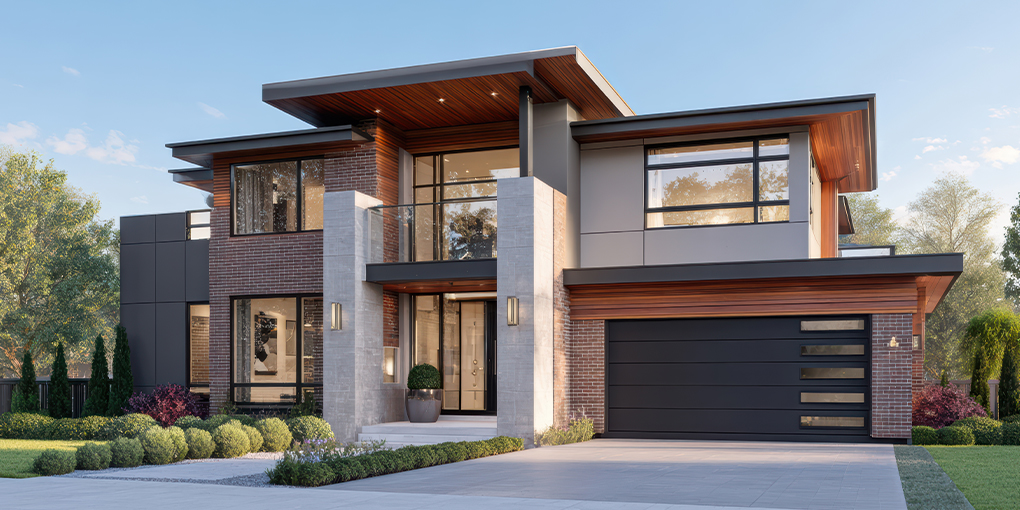
When looking for a new home, most of us focus on the number of rooms, square meters, location, or the view. However, one of the factors that most affects living comfort after moving in is often overlooked: aspect selection.
The amount of natural light a home receives throughout the day, indoor temperature, ventilation performance, and even energy bills are largely related to its aspect. Choosing the right aspect not only offers a more comfortable life; it also saves energy, improves quality of life, and positively affects the property’s long-term value.
So what advantages does each aspect offer? Which direction is more suitable for which lifestyle? Let’s take a closer look together at the aspect options you should definitely consider when buying a home.
South-Facing: The Address of Bright and Energy-Efficient Living
Since Turkey is located in the Northern Hemisphere, south-facing homes are among the most in-demand options in the real estate sector.
Advantages
South-facing homes receive intense sunlight throughout the day. Thanks to this, they stay naturally warmer, especially in winter, and significantly reduce heating costs.
Abundant natural light makes living spaces feel more spacious, larger, and more vibrant. It is also quite advantageous for those who enjoy growing houseplants.
Disadvantages
Intense sunlight can cause indoor temperatures to rise, especially in summer. In hot-climate regions such as the Mediterranean and Aegean, it can increase energy consumption by boosting air conditioner use.
Who Is It Suitable For?
- Those who like warm and bright homes in winter
- Those who value energy savings
- Those who spend time at home during the day
- Those who enjoy growing plants
North-Facing: A Cool and Balanced Living Space
Because north-facing homes do not receive direct sunlight, they offer a cooler and shadier living environment.
Advantages
It provides an important advantage, especially for those who feel overwhelmed by high temperatures in summer. Since it receives more balanced light throughout the day, it does not create screen glare.
For this reason, it is often preferred by professionals working from home, software developers, designers, and artists.
In addition, in many projects, north-facing homes may be offered for sale at more accessible prices compared to other aspects.
Disadvantages
It may require more heating in winter. In areas that do not receive sufficient sunlight, the risk of dampness and moisture is also higher. Therefore, high-quality insulation is of great importance.
Who Is It Suitable For?
- Those living in hot climates
- Those who like cool environments
- Those who work at a computer all day
- Those looking for a more economical option
East-Facing: For Those Who Wake Up with the Sun
East-facing homes receive the morning sun directly and are quite advantageous for those who start the day early.
Advantages
Living spaces filled with natural light in the morning help you start the day more energetically. It is considered especially ideal for bedrooms and kitchens.
Thanks to the sun losing its effect in the afternoon, evenings are cooler and more comfortable in summer.
Disadvantages
Since sunlight decreases in the afternoon, the home may cool down faster, especially in winter. Additional heating may be needed in the evening.
Who Is It Suitable For?
- Those who like waking up early
- Those who value morning light
- Those who want cool evenings in summer
- Home office workers
West-Facing: Sunset Views and Evening Comfort
West-facing homes start receiving sun in the afternoon and retain natural light until sunset.
Advantages
It is quite advantageous especially for people who return home after work. Thanks to the sun it receives in the second half of the day, living spaces are warm and bright.
In winter, it can reduce the need for heating by allowing you to enter the evening hours warmer.
It also offers a unique atmosphere for those who love sunset views.
Disadvantages
Since it receives direct light during the hours when the sun is felt most intensely in summer, interiors can overheat. This can increase air conditioner use.
Intense sunlight can also cause fading over time in furniture, curtains, and parquet flooring.
Who Is It Suitable For?
- Those who spend most of the day outside
- Those who want a bright home in the evening
- Those who love sunset views
- Those living in cold climates
The City You Live In Also Matters When Choosing an Aspect
When choosing an aspect, not only personal habits but also the climate conditions of the region you live in should be decisive.
For Hot Climates
In hot cities such as Antalya, Adana, and Mersin, north and east aspects may be more advantageous in terms of summer comfort.
For Cold Climates
In regions where winters are harsh, such as Ankara, Erzurum, and Sivas, a south-facing aspect provides significant energy savings.
For Working People
For people who spend most of the day outside the home, a west-facing aspect can be a sensible choice, as it offers a warm and bright environment in the evening.
For Homes with Children and Elderly Individuals
To benefit more from sunlight, south- or east-dominant aspects generally offer a more comfortable life.
The Golden Rule: Double Aspect Instead of a Single Aspect
If possible, when choosing a home, consider apartments that open to two different directions rather than only a single aspect.
Especially:
- South – East
- South – West
- East – West
combinations make it easier to receive natural light throughout the day, while creating healthier and more airy living spaces thanks to cross ventilation.
This feature also contributes to energy savings by reducing the need for air conditioning in summer.
-
 5 minAesthetics and Comfort in Investment
 -
 5 minHow Are Shared Workspaces (Co-working) Transforming the Housing Sector?
 -
 6 minVertical Architecture or Horizontal Architecture?
 -
 6 minGlamping and Eco-Tourism Investment
 -
 6 minIs Buying and Renovating an Old House (Flips) Profitable? Renovation Cost Calculation Tips
 -
 3 minMay 2026 Rent Increase Rates
 -
 6 minThe Trend of Escaping the Metropolis
 -
 6 minSummer Season Analysis of the Villa Market in the Aegean and Mediterranean