
Key Tips for Investing in Land and Detached Houses on the Outskirts Close to the City Center

Modern city life offers many advantages with career opportunities, social amenities, and strong transportation networks. However, alongside these advantages, heavy traffic, crowds, high living costs, and increasingly shrinking personal living spaces have also become an inevitable part of metropolitan life.
Especially in recent years, with the widespread adoption of remote working models and the growing importance placed on quality of life, many people are turning to the search for a calmer, more natural, and freer life without completely disconnecting from the city center. This shift has also created a new investment trend in the real estate sector: land and detached house investments located on the outskirts of the metropolis.
These areas, located at a reasonable distance from the city center, offer the opportunity to both improve quality of life and achieve strong long-term value appreciation. So, what should you pay attention to when investing on the city outskirts? Which criteria determine the right location that will generate returns in the future?
Why the City Outskirts?
Today’s investors no longer focus solely on central locations. Instead, they try to discover future growth areas early.
Because as cities grow, centers expand, new living areas emerge, and regions that were seen as “outside the city” yesterday can turn into valuable residential areas of the city within a few years.
Especially considering the high housing prices in major cities, peripheral areas with development potential offer significant opportunities for investors.
Moreover, those living in these areas do not only gain investment advantages; they also gain larger living spaces, houses with gardens, and a lifestyle where they can build a stronger connection with nature.
1. Read the Future Transportation Map
One of the most important criteria when investing on the city outskirts is transportation connections.
However, the key point here is to focus not only on existing transportation options, but also on planned projects.
A new metro line, ring road connection, high-speed train project, or bridge investment can significantly increase the real estate value of the area in a short time.
What Should You Look At?
- Planned metro and rail system projects
- New ring road connections
- Airport transportation projects
- Bridge and highway investments
- Public transportation integration
An area that seems far from the center today may become one of the most accessible locations in the city a few years from now.
2. Review Zoning Status in Detail for Land Investments
Land investment is one of the real estate types that requires the most attention, in addition to offering high return potential. No matter how good a plot’s location is, if its zoning status does not meet your expectations, your investment may not deliver the result you want.
For this reason, it is of great importance to obtain the necessary information from the relevant municipality and official institutions before making a purchase decision.
Items to Check
- Type of the land (plot, field, vineyard, garden, etc.)
- Zoning status
- TAKS and KAKS values
- Construction conditions
- Road and infrastructure connections
- Title deed records and annotations
Especially residential-zoned plots offer more predictable investment opportunities in the long term.
3. Evaluate Infrastructure and Social Amenities
Although living close to nature is a dream for many, being completely detached from the basic needs of modern life is not sustainable.
Therefore, when choosing an investment area, it is necessary to pay attention not only to its natural beauty but also to its living infrastructure.
Key Elements the Area Should Have
- Electricity, water, and sewage infrastructure
- Fiber internet access
- Healthcare facilities
- Educational institutions
- Markets and shopping areas
- Social life opportunities
Especially for remote workers, strong internet infrastructure is now considered a basic necessity rather than a luxury.
4. Analyze the City’s Growth Direction
Not every metropolis grows in the same direction.
While some areas develop with new housing projects, others are shaped by industrial and logistics investments.
Therefore, before investing, it is necessary to analyze along which axes the city is growing.
High-Potential Areas
- Areas where new housing projects are concentrated
- Regions close to university campuses
- Axes where technology and business centers are developing
- New commercial and lifestyle corridors
- Locations where public investments are concentrated
Investments made in the city’s growth direction can provide stronger value appreciation in the long term.
5. Don’t Overlook Technical Quality in Detached Houses
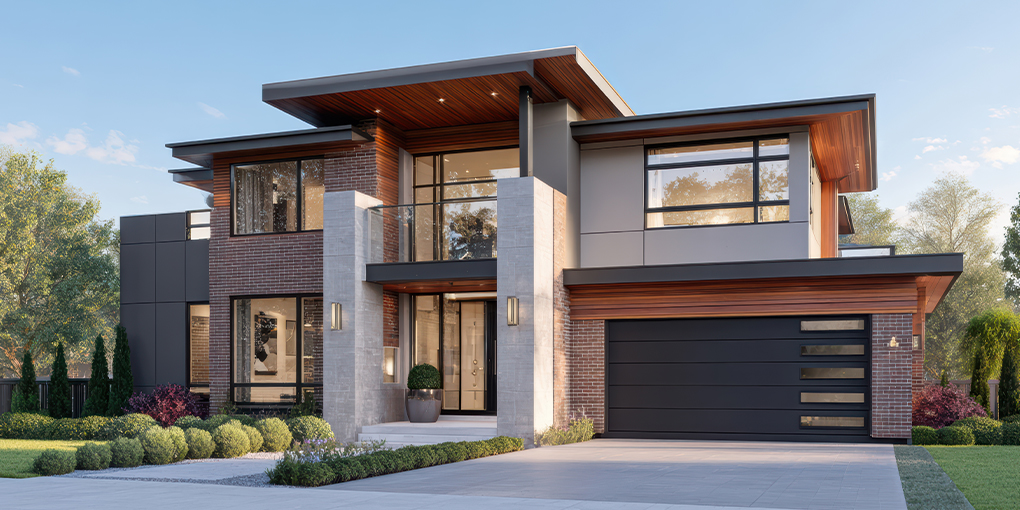
If you are considering purchasing an existing detached house when investing on the city outskirts, you should not focus only on the view or the size of the plot.
Detached structures are exposed to external factors much more than apartment units.
For this reason, the technical features of the building are critical for long-term comfort.
Elements to Check
- Roof insulation
- Exterior facade insulation
- Foundation and drainage system
- Heating infrastructure
- Energy efficiency
- Structural durability
Especially underfloor heating, heat pumps, and energy-saving systems can significantly reduce living costs.
The Biggest Advantage of Investing on the City Outskirts: Dual Benefit
Land and detached house investments in areas close to the city center do not provide investors only with financial returns.
On the one hand, they offer a calmer, safer life intertwined with nature; on the other hand, since they remain within the expansion boundaries of the metropolis, they also increase the property’s potential to gain value.
A lifestyle model where children can play freely in the garden, where there is more personal space, and where contact with nature increases has become not just a preference today, but a new life goal for many people.
-
 5 minAesthetics and Comfort in Investment
 -
 5 minHow Are Shared Workspaces (Co-working) Transforming the Housing Sector?
 -
 6 minVertical Architecture or Horizontal Architecture?
 -
 6 minGlamping and Eco-Tourism Investment
 -
 6 minIs Buying and Renovating an Old House (Flips) Profitable? Renovation Cost Calculation Tips
 -
 3 minMay 2026 Rent Increase Rates
 -
 6 minSummer Season Analysis of the Villa Market in the Aegean and Mediterranean
 -
 6 minChoosing an Aspect When Buying a Home: Which Aspect Is the Right Choice for You?